
At Coastal Machine and Supply, we help you shape smarter designs. By collaborating with us early on design for manufacturability (DFM), customers can reduce machining cost without sacrificing part performance or quality.
This article kicks off our DFM series by highlighting three high-impact design decisions that can immediately improve manufacturability: material selection, corner radii, and tolerancing. We’ll dig even deeper in future articles.
Let’s explore three practical design choices that can reduce machining cost and protect your lead time.
Playbook Tip #1: Choose the Material Form That Matches Your Part Geometry
Material choice has a major impact on machining cost. When possible, specify the material form (plate vs. bar) that best aligns with the part geometry while still meeting performance requirements. Our team can provide guidance to help optimize this decision.
If a part is designed as a square or rectangular component but the material callout specifies round bar, extra material must be removed. This additional machining time quickly increases prices. If plate stock were specified instead, the part could be manufactured more efficiently in terms of process and price.
Cost jumps become even more noticeable with hard-to-machine metals like Inconel and other high-strength alloys. In addition to impacting cost and lead time, material choice could dictate a change in the machining process itself. For instance, a secondary process like waterjet cutting might be required before machining can even begin.
Playbook Tip #2: Design Corner Radii That Can Be Machined with Standard Tools
Corner geometry is another common cost driver we see in RFQs, especially for internal corners. When specifying internal corners, we suggest choosing radii that can be achieved with standard tooling to control machining cost and lead time.
Whenever possible, it’s recommended to specify a radius instead of a sharp internal corner. True square internal corners often require EDM, which is typically slower and more expensive than CNC machining. While Coastal can handle EDM projects at our facility, we recommend reserving it for cases where it’s truly necessary.
Playbook Tip #3: Apply Tight Tolerances Only Where Functionally Necessary
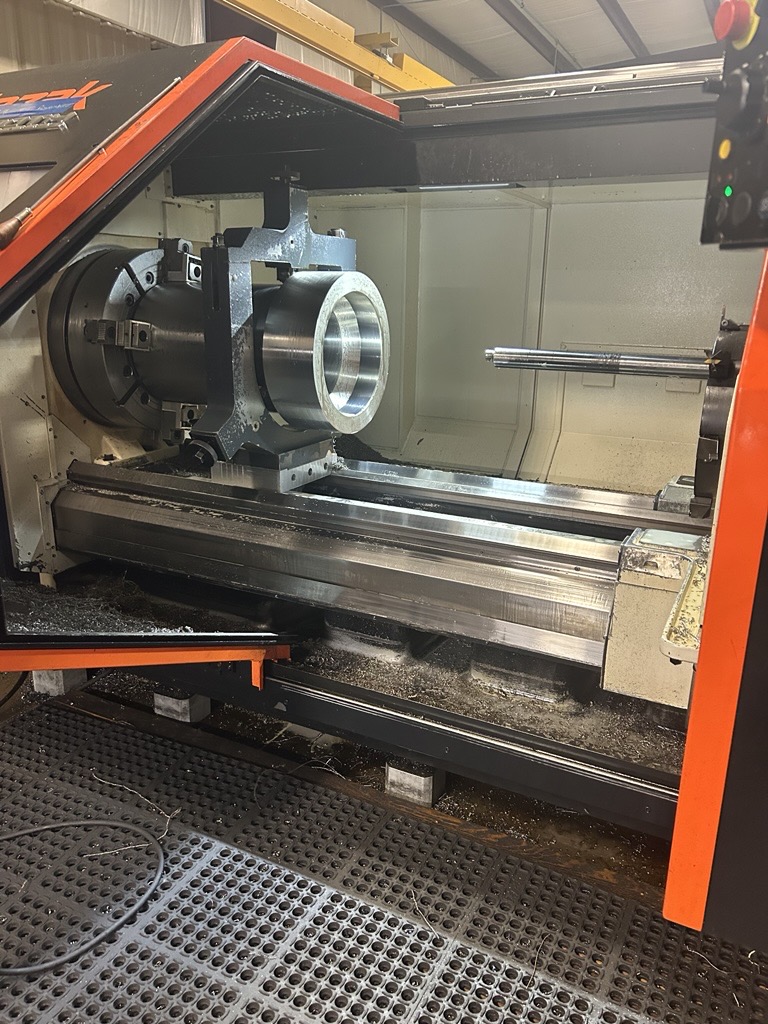
Over-tolerancing is another common source of unnecessary cost. We recommend using tight tolerances only on the critical features that truly require them. Applying tight tolerances across an entire part dramatically reduces production efficiency.
Each decimal point adds machining effort, inspection requirements, and overall complexity. By specifying tight tolerances only when they are functionally required, you can maintain part integrity while reducing the price of your projects.
Simply put: specify what matters most, and keep the rest as open as your design allows.
Collaboration Lowers Machining Cost and Lead Time
As an AS9100-certified machine shop, Coastal Machine and Supply delivers custom CNC machining solutions that balance efficiency, quality, and performance.
When a quote request includes opportunities for cost reduction, our team notes them. Customers who are open to feedback and lean into our DfM expertise benefit from recommendations that optimize cost and lead time.
Design for Manufacturability That Works for You
Our custom machining services help you maximize efficiency. Because design decisions directly affect machining cost and your lead times, the best results come from early conversations focused on manufacturability.
If you’re looking to collaborate with a manufacturing partner who has your best interests in mind, contact Coastal and request a quote today.
And for more practical DFM quick wins, stay tuned for the rest of this series.